Energy efficiency in intralogistics
How does conveyor design affect energy savings and efficiency in intralogistics?
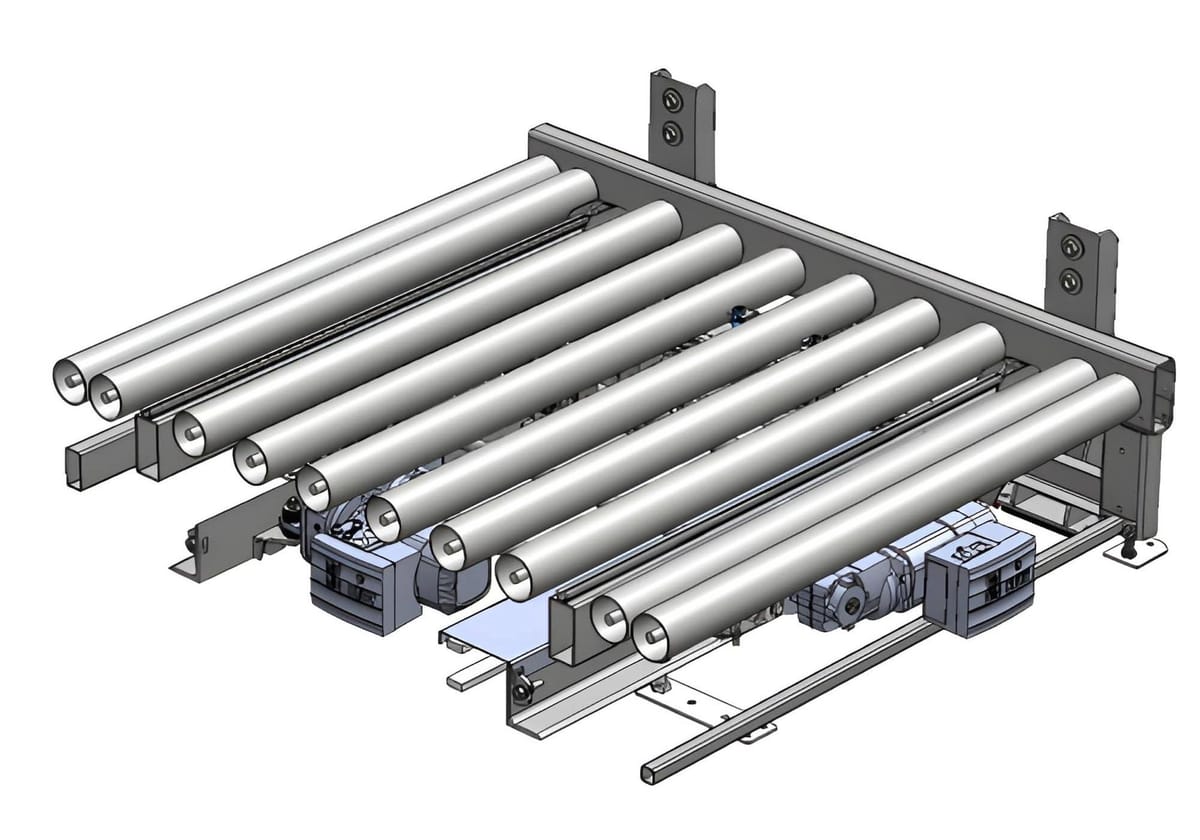
Modern industry is increasingly focusing on sustainability, which combines operational efficiency with minimizing environmental impact. In the face of rising energy costs and tightening environmental regulations, optimization of production and logistics processes is becoming a key component of companies' strategies. Material handling systems, such as conveyors, play an important role in this process, as they account for a significant portion of energy consumption in industrial plants. According to studies, even small improvements in conveyor design can yield energy savings of 10-20% (Conveyor design optimization as the provision of sustainability).
Impact of material handling systems on operating costs
Conveyors are an integral part of intralogistics, enabling the efficient flow of materials within a production facility. Their energy efficiency has a direct impact on the company's operating costs. The high energy consumption of conveyor systems is often due to the failure to adapt the design to the specifics of the production process, leading to mechanical losses and excessive load on the drives. Optimization of these systems, including both the selection of appropriate components and the use of advanced design tools such asFEA simulations, allows a significant reduction in operating costs.
Major challenges in conveyor design
Conveyor design requires consideration of many technical factors that affect performance and reliability. Key challenges include:
- Minimize mechanical losses: Choosing the right rollers and conveyor belts that reduce resistance to movement.
- Optimizing the geometry of the structure: Reduce movement resistance by adjusting the length and angle of the conveyor.
- Effective drive management: Selection of energy-efficient motors and control systems, such asSCADA, which enable monitoring and optimization of equipment operation.
Each of these components requires a precise design approach based on technical data and computer simulations. SK Engineering, as an expert in the design of material handling systems, offers solutions tailored to the energy requirements and specifics of production processes.
The role of standards and regulations in improving efficiency
Compliance with standards, such as the Machinery Directive 2006/42/EC with subsequent updates, is not only a legal requirement, but also a factor in the energy efficiency of transportation systems. Requirements for risk assessment andCE certification are forcing manufacturers to use solutions that minimize energy losses and increase operational safety. The use of appropriate standards can also improve the reliability of systems, resulting in less downtime and lower maintenance costs.
SK Engineering supports companies in achieving these goals by offering turnkey solutions that combine operational efficiency with environmental care.
Key factors affecting conveyor efficiency
The energy efficiency of conveyors depends on a number of technical factors that must be considered at the design stage. Key aspects include the optimization of design geometry, the selection of appropriate materials and the use of advanced drive systems. Each of these elements reduces mechanical losses, improves efficiency and reduces operating costs.
Structural geometry optimization
The geometry of the conveyor has a direct impact on the resistance to movement, which determines the energy consumption of the system. By reducing the angle of inclination, adjusting the length of the belt and eliminating unnecessary curves, mechanical losses can be reduced. Studies have shown that proper geometry optimization can reduce movement resistance by up to 15% (Conveyor design optimization as the provision of sustainability).
Selection of materials and components
Selecting the right materials for rollers, conveyor belts and other conveyor components is critical to energy efficiency. For example, using rollers with a low coefficient of friction and belts with high mechanical strength helps reduce losses due to rolling and sliding resistance.
It is also worth noting construction materials, such as aluminum alloys or composites, which combine light weight with high strength. This makes it possible to reduce the conveyor's own weight, which translates into less strain on the drives. SK Engineering, as part of itsdesign services, offers a selection of materials tailored to the specific production process and environmental requirements.
Drive and control systems
The type of drive used and the way it is controlled have a key impact on the conveyor's energy consumption. Energy-efficient motors, such as IE3 or IE4 rated drives, allow a significant reduction in energy losses compared to traditional solutions. In addition, the use of control systems such asSCADA (Supervisory Control and Data Acquisition), makes it possible to monitor conveyor operating parameters in real time and optimize them.
An example is adjusting the speed of the conveyor belt according to the current load, thus avoiding running at full capacity in situations where this is not necessary. SK Engineering integrates control systems with existing intralogistics solutions to fully automate and optimize transport processes.
Use of computer simulations
Computer simulations play a key role in the conveyor design process. Tools such as SolidWorks enable precise modeling of the design and analysis of its behavior under various operating conditions. This makes it possible to predict potential problems, such as excessive component wear or overloaded drives, even before production begins.
In addition, the use ofdigital twins allows real-time monitoring of the conveyor's operation and changes to its configuration. An example is the analysis of the impact of changing geometry on energy consumption, which allows the system to be quickly adapted to changing production requirements. You can read more about the use of digital twins in industry in the articleFramework for a Digital Twin in Manufacturing: Scope and Requirements.
Conveyor optimization requires a comprehensive approach that takes into account both structural and technological aspects. SK Engineering, through the use of advanced design tools and years of experience, offers customized solutions.
Conveyor optimization in a manufacturing plant
Customer problem: High power consumption and low system performance
The client, a medium-sized manufacturing plant in the food industry, reported a problem related to the high operating costs of the material handling system. The main challenges included:
- Excessive energy consumption of conveyors due to outdated drives and unsuitable design geometry.
- Frequent downtime due to failures of transport mechanisms, which affected the continuity of production.
- Lack of real-time monitoring of system performance, which made it difficult to identify sources of problems.
The goal of the project was to increase the energy efficiency of the system, improve reliability, and implement tools for ongoing control of conveyor operations.
Solutions used: Comprehensive system upgrade
SK Engineering conducted a detailed technical audit of the existing conveyor system, including analysis of conveyor geometry, assessment of component condition, and measurement of energy consumption. Based on the collected data, the following measures were proposed:
1. conveyor geometry optimization
The conveyor layout was redesigned, eliminating unnecessary curves and adjusting the length of the belt to actual production needs. As a result, resistance to movement was reduced, resulting in a reduction in energy consumption of about 10%.
2. replacing drives with energy-efficient ones
High efficiency IE4 class motors were used, which have lower energy losses compared to conventional drives. In addition, a belt speed control system has been introduced, which adjusts the drive's operation according to the current load.
3. implementation of SCADA system
A SCADA system has been installed to monitor conveyor operating parameters in real time, such as belt speed, drive load and energy consumption. This allows operators to react quickly to any irregularities and optimize system operation.
4. selection of components
Rollers and conveyor belts were replaced with components with a lower coefficient of friction, further reducing mechanical losses. Higher-strength materials were also used, increasing the life of the system and reducing the risk of failure.
Implementation results: Efficiency and savings
After the upgrade was completed, measurements were taken to confirm that the goals had been achieved:
- Reduction of energy consumption by 18% thanks to energy-efficient drives and optimized conveyor geometry.
- Increase system reliability By replacing components with more durable and wear-resistant ones.
- Improve process control thanks to the implementation of a SCADA system that enables ongoing monitoring and optimization of conveyor operations.
Through these measures, the customer not only reduced operating costs, but also increased production efficiency by eliminating downtime caused by transport system failures.
Lessons from implementation
This example shows that a comprehensive approach to the modernization of material handling systems, including both structural and technological aspects, makes it possible to achieve tangible benefits
Standards and norms in conveyor design
The design of conveyors in material handling systems requires strict adherence to technical norms and standards that ensure safety, reliability and regulatory compliance. Of key importance here are regulations under the Machinery Directive 2006/42/EC, as well as standards for risk assessment, CE certification and process safety requirements.
Machinery Directive 2006/42/EC: The legal basis for machine safety
The Machinery Directive 2006/42/EC is the primary document governing machine safety requirements in the European Union. According to its provisions, every conveyor placed on the market must undergo a risk assessment process that identifies potential hazards associated with its use. Based on the results of this assessment, appropriate technical and organizational measures must be implemented to minimize the risk of accidents.
For conveyors, special attention is paid to such aspects as:
- Mechanical safety, including protection against jamming and falling parts.
- Protections against uncontrolled movement of the conveyor belt.
- Ergonomic handling that reduces the risk of injury to operators.
CE certification: Guarantee of compliance with standards
CE certification is confirmation that the conveyor meets all requirements specified in the Machinery Directive and other applicable standards. The process includes:
- Conducting a risk analysis: Identify potential risks and assess their impact on user safety.
- Implementation of protective measures: Use of guards, safety switches, and conveyor operation monitoring systems.
- Preparation of technical documentation: It includes, among other things, operating instructions, wiring diagrams and safety test results.
The use of relevant standards, such as EN ISO 12100, allows for increased occupational safety. SK Engineering, as a partner in machine safety, provides full support in the certification process, from risk analysis to documentation preparation.
Process safety standards
Process safety in material handling systems includes both mechanical and electrical aspects. Key standards in this area are:
- EN 60204-1: Machine safety - Electrical equipment of machines.
- EN ISO 13849-1: Machine safety - Safety-related parts of control systems.
These standards specify requirements for the design of control systems, which must ensure reliable operation in emergency situations. Examples include the use of emergency switches and redundancy systems that minimize the risk of critical failures.
SK Engineering integratescontrol systems in accordance with the above standards, which allows to increase the reliability and safety of conveyor operation. .
Ergonomic and environmental requirements
Design standards also take ergonomics and environmental aspects into account. For example:
- EN ISO 14738: Defines ergonomic requirements for workstations, including height and accessibility of controls.
- EN ISO 14001: Addresses environmental management, including minimizing noise and emissions from transportation systems.
The application of these standards makes it possible to create conveyors that are not only safe, but also friendly to operators and the environment. SK Engineering, as part of its design services, takes these requirements into account, offering solutions tailored to the specifics of manufacturing plants.
Adherence to norms and standards in conveyor design is key to ensuring safety, reliability and regulatory compliance. SK Engineering, with its experience and technical expertise, offers comprehensive support in bringing conveyor systems into compliance with the requirements of the Machinery Directive and other applicable standards.
How do you optimize your company's material handling systems?
Key lessons from conveyor optimization
Optimizing material handling systems is a process that requires a comprehensive approach that takes into account both technical and organizational aspects. As can be seen from the examples presented, conveyor modernization brings benefits in three key areas:
- Energy efficiency: By using energy-efficient drives and optimizing the geometry of the design, it is possible to significantly reduce energy consumption.
- Reliability of systems: Replacing components with more durable ones and implementing monitoring systems, such asSCADA, allows for increased work continuity and reduced downtime.
- Safety and compliance: Compliance with requirementsMachinery Directive and standards such as EN ISO 12100 and EN 60204-1 ensures operator safety and regulatory compliance.
How does SK Engineering support the optimization of transportation systems?
1. technical audit and needs analysis
We begin each project with a detailed technical audit of the existing transportation system. The analysis includes:
- Assessment of the technical condition of conveyors.
- Measuring energy consumption and identifying mechanical losses.
- Analyze ergonomics and occupational safety.
Based on the collected data, we develop a customized modernization plan, tailored to the specifics of the production facility.
2. design with advanced tools
In the design process, we use SolidWorks software and MES simulations to:
- Precision modeling of conveyor geometries.
- Structural strength analysis and topology optimization.
- Testing different solution options before implementation.
This minimizes the risk of design errors and ensures the highest quality workmanship.
3. implementation of modern technologies
SK Engineering offers comprehensive turnkey solution implementation, including:
- Installation of energy-efficient IE4-class drives.
- Installation of control and monitoring systems, such asSCADA.
- Selecting components with a low coefficient of friction and high durability.
Each stage of the project is supervised by our specialists, which guarantees compliance with the technical assumptions and schedule.
4 Certification and compliance with standards
We provide full support in adapting conveyors to requirementsMachinery Directive and other applicable standards. Our services include:
- Conduct risk analysis and implement protective measures.
- Preparation of technical documentation required for CE certification.
- Safety testing and operator training.
Why you should invest in optimizationmaterial handling systems?
Optimizing material handling systems is not only a way to reduce operating costs, but also an investment in the future of a manufacturing plant. Benefits include:
- Increasing production efficiency: By eliminating downtime and improving system reliability.
- Improving occupational safety: Compliance with standards and ergonomic solutions reduce the risk of accidents.
- Environmental protection: Reducing energy consumption and emissions is part of a sustainable development strategy.
SK Engineering, as a partner inintralogistics, offers comprehensive support at every stage of the project. Learn more about our serviceshere.